Published · CERAMIC CNC Engineering · Engineering Guide · 3 min read
Ceramic DFM Design Rules: A Go/No-Go Handbook for Machinable Features
Design-for-machining rules for ceramic holes, slots, thin walls, internal radii, edge breaks, datums, and inspection access.
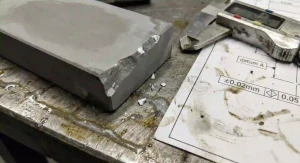
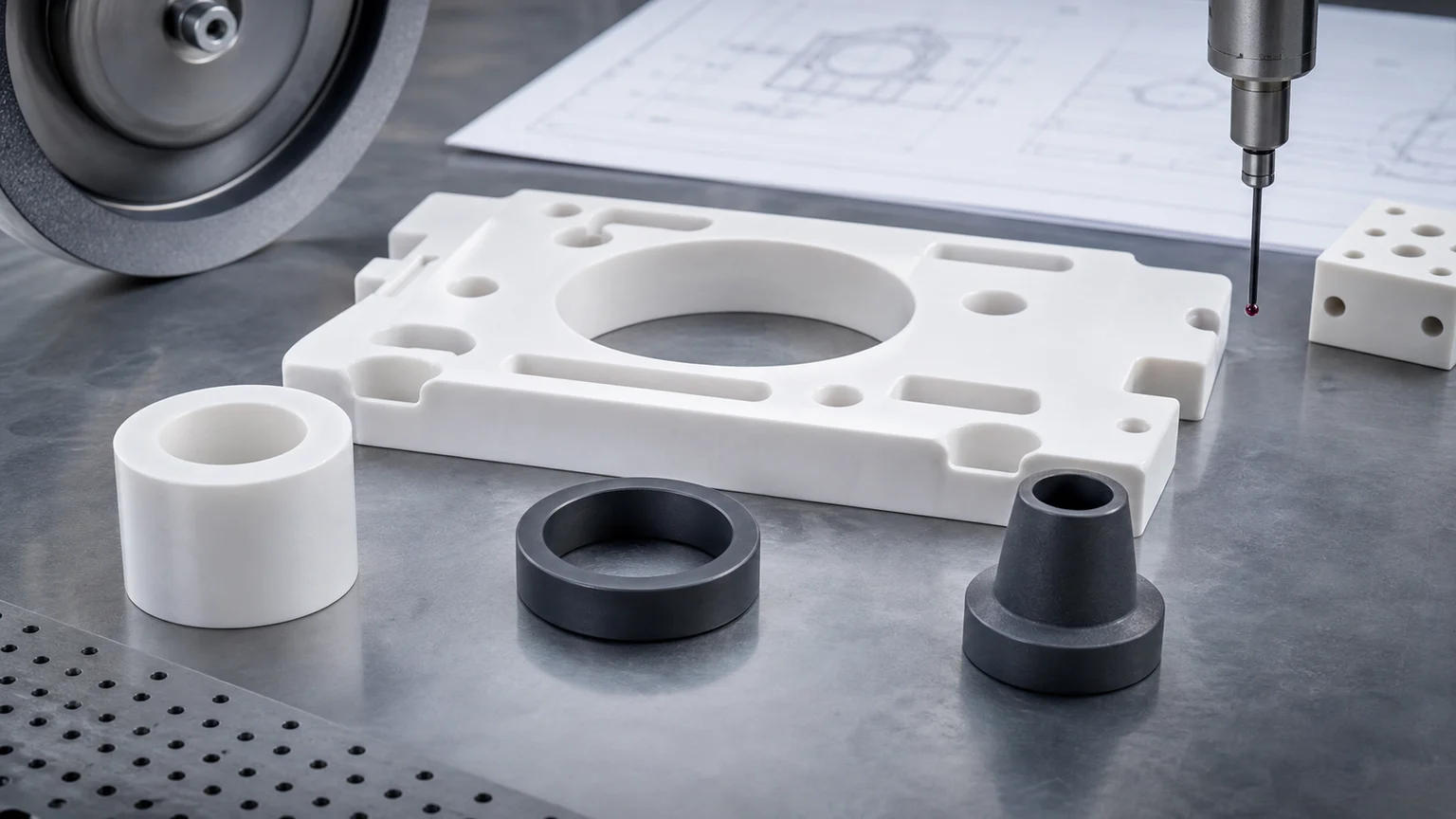
Ceramic DFM starts with fracture mechanics, not toolpath optimism. A feature is quote-ready only when it can be supported, machined, finished, and inspected without making edge chips and micro-cracks the hidden acceptance gate.
Design Rule 1: Avoid Metal-Style Sharpness
Sharp internal corners, knife edges, and abrupt thickness changes create stress concentrations. In ceramics, they also chip during machining and handling.
Use:
- Internal radii wherever tool access allows.
- Chamfers or radii on handling and assembly edges.
- Relief around slots, pockets, and thin transitions.
- Defined chip criteria if a sharp edge is unavoidable.
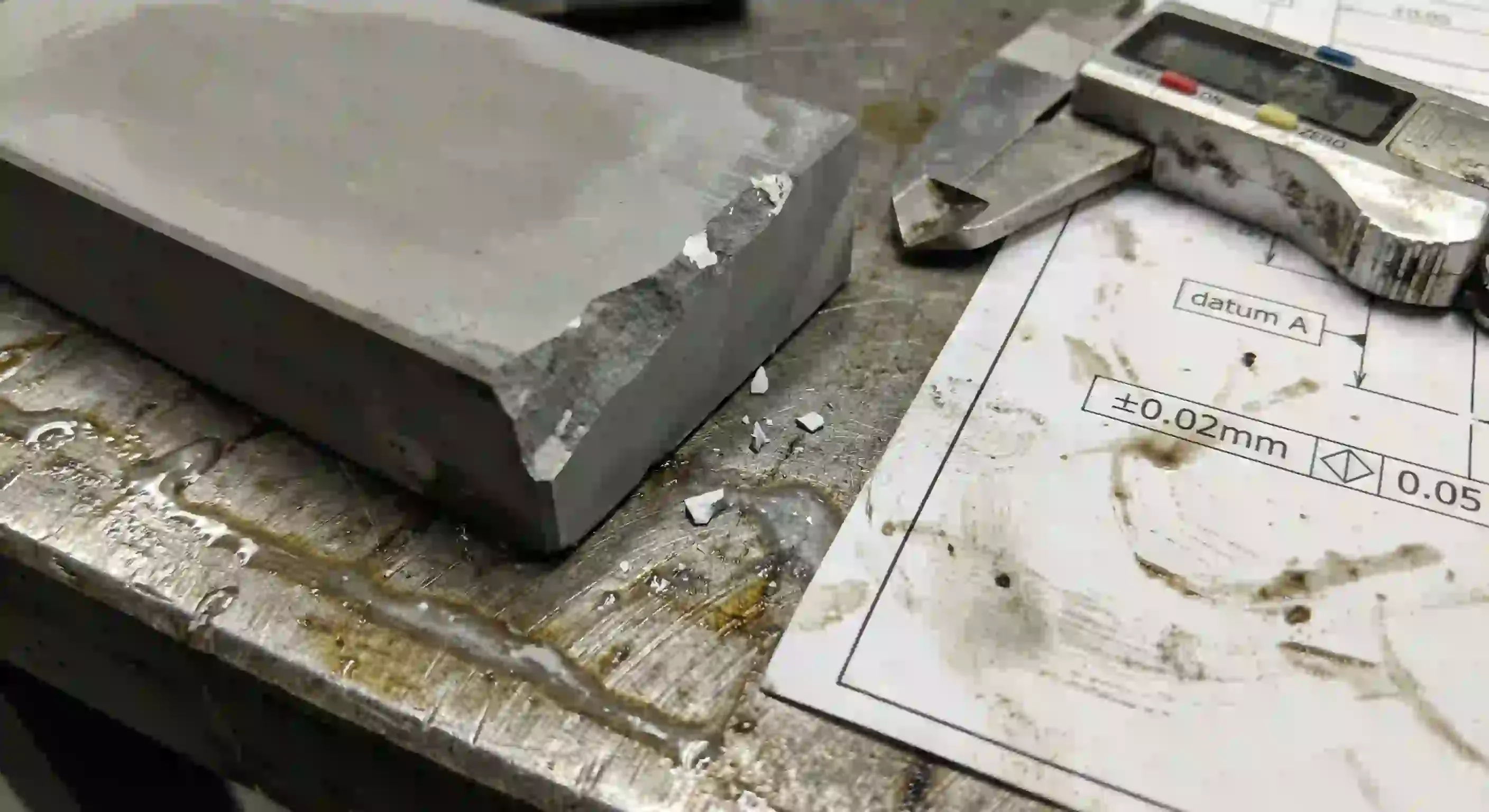
Design Rule 2: Separate Functional and Non-Functional Precision
Do not apply tight tolerance to every face. Instead:
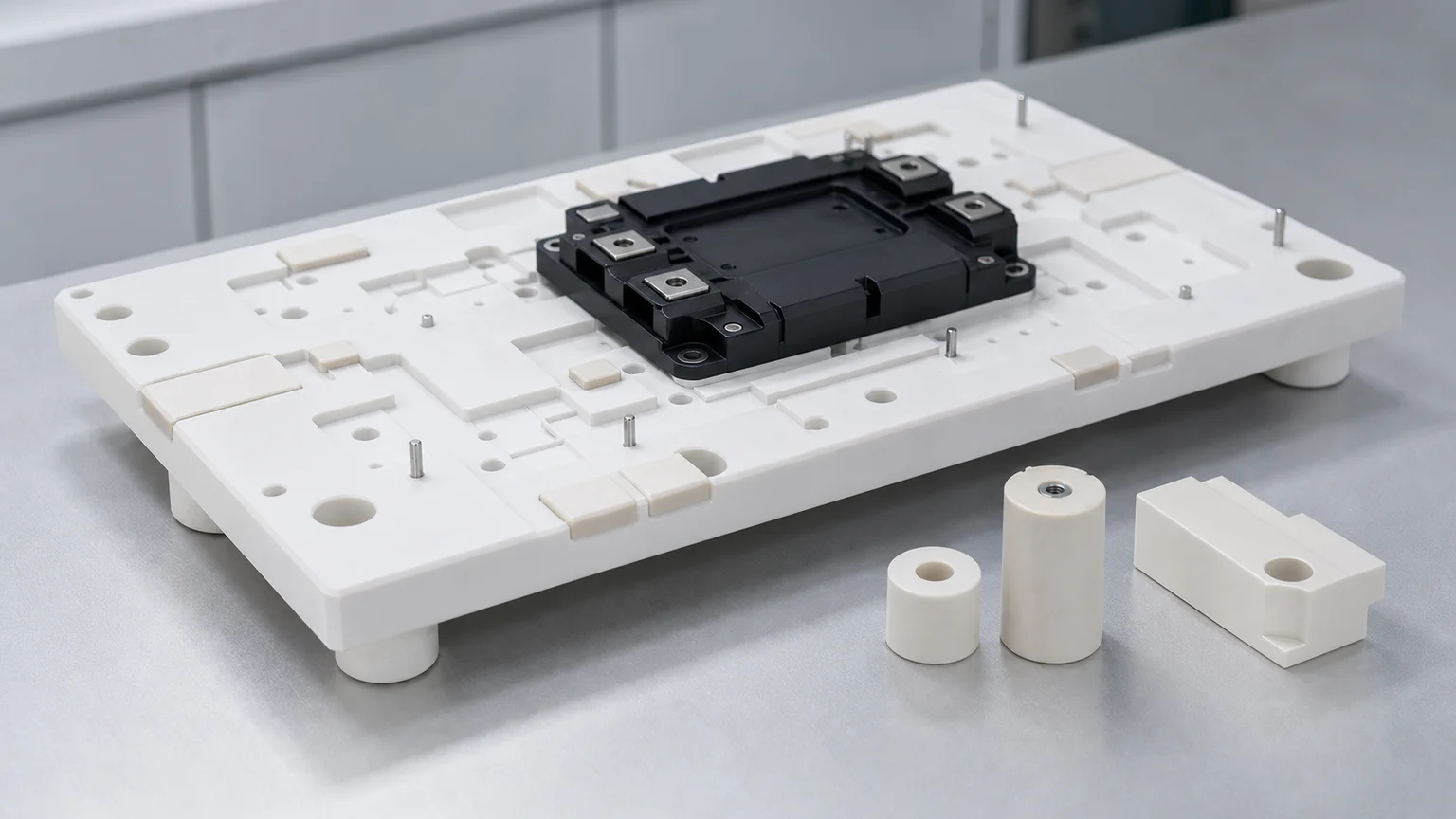
- Mark datum faces that will be finished.
- Identify seal lands, bores, and contact surfaces.
- Allow non-critical faces to remain as-sintered or standard-ground.
- Define the inspection method for each critical feature.
This improves quote accuracy and reduces unnecessary finishing.
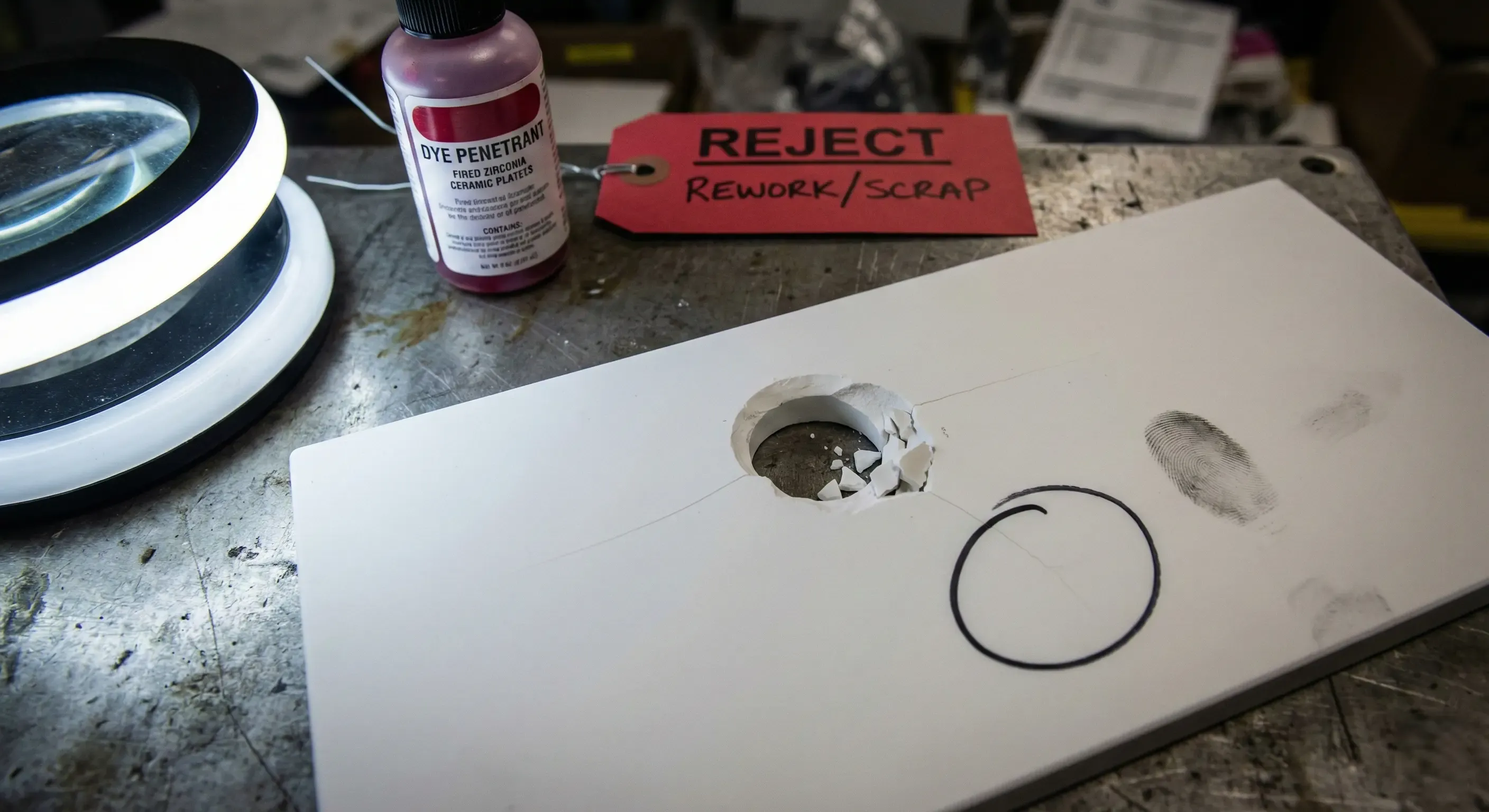
Design Rule 3: Treat Holes as Edge Features
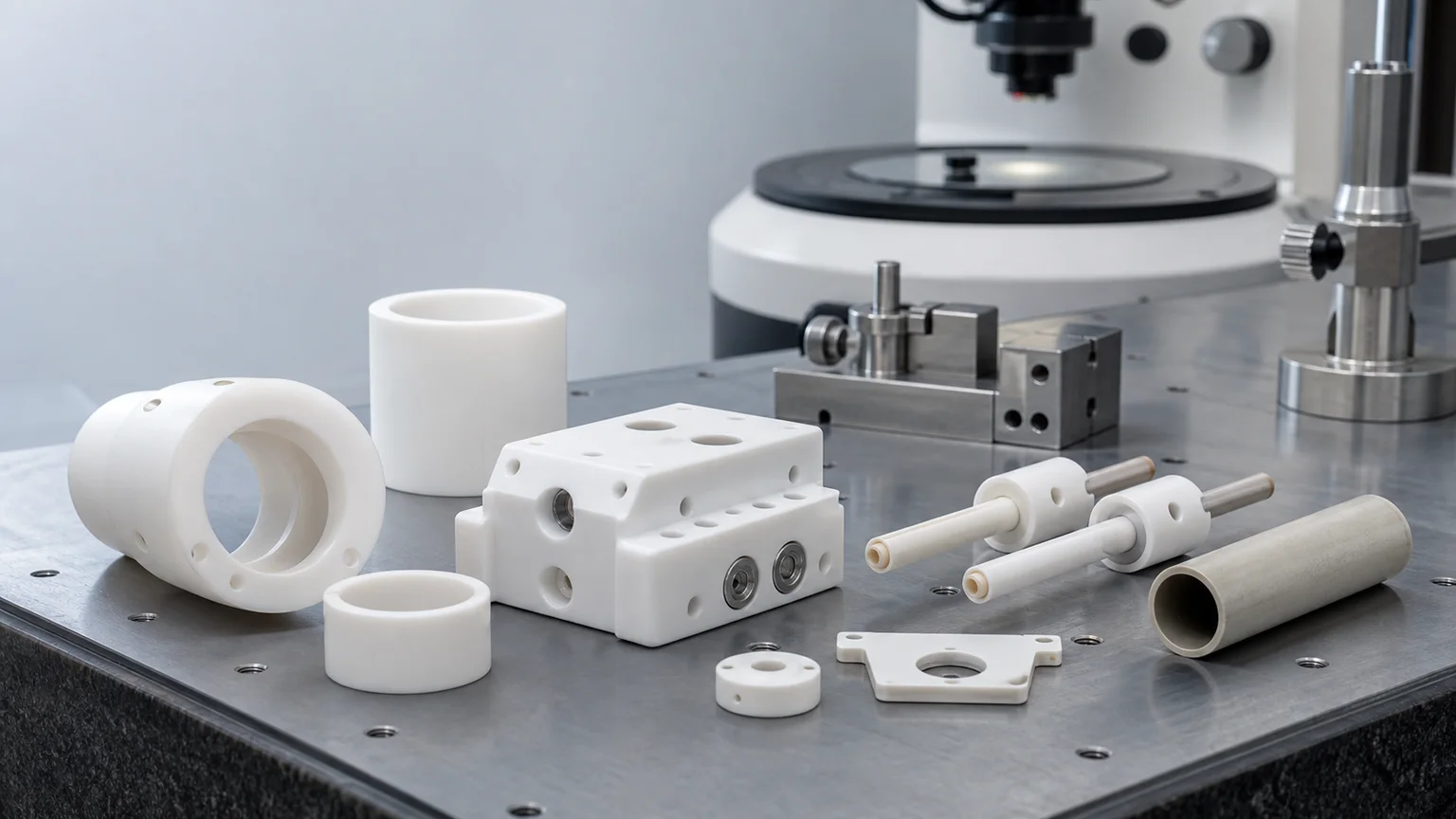
Ceramic holes fail at entry, exit, and nearby edges. A micro-hole requirement should include:
| Requirement | Why it matters |
|---|---|
| Diameter and tolerance | Controls method and inspection |
| Depth or thickness | Sets aspect ratio and breakout risk |
| True position | Requires stable datums |
| Taper allowance | Avoids hidden flow or alignment disputes |
| Edge condition | Controls chip and crack origin |
| Inspection method | Makes acceptance auditable |
Design Rule 4: Thin Walls Need Support and Purpose
Thin unsupported ceramic walls can fracture during grinding, inspection, packaging, or assembly. If thin walls are required, define:
- Minimum wall thickness and length.
- Adjacent slot or pocket radius.
- Whether the wall sees load, flow, insulation, or only spacing.
- Handling and packaging expectations.
- Which faces need final finishing.
Design Rule 5: Slots and Pockets Need Radius and Access
Narrow grooves, long slots, deep pockets, and high aspect ratio cavities increase tool wear and chip risk. A manufacturable design normally uses generous internal radii, controlled step-down, and clear exit paths for tooling and debris.
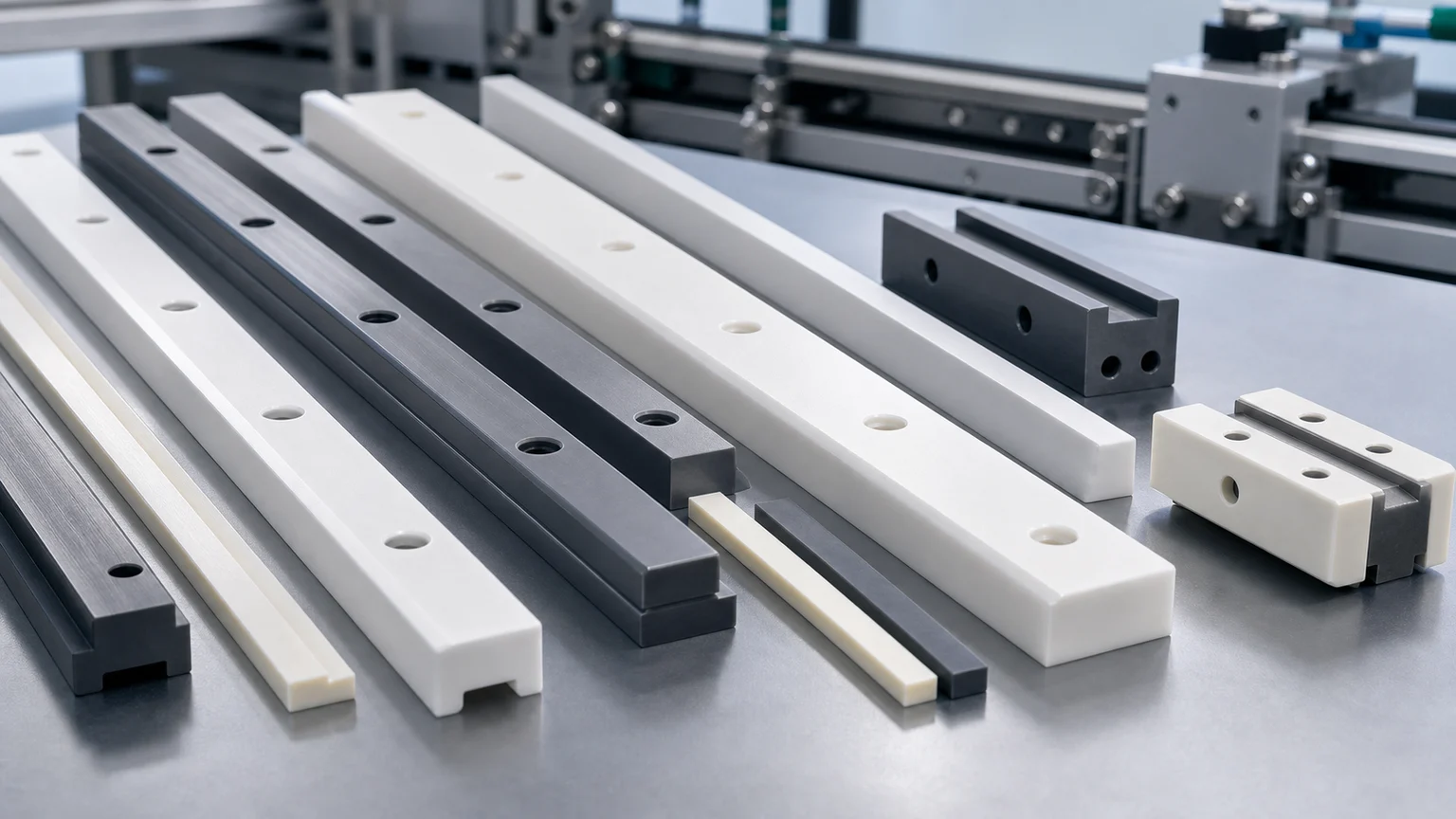
If a slot is functional, specify width, radius, bottom condition, edge break, and measurement method.
Design Rule 6: Design for Inspection
A ceramic feature that cannot be measured cannot be accepted cleanly. Before sending an RFQ, ask:
- Can CMM access the datum and dependent feature?
- Is optical measurement better for micro-holes or edge chips?
- Is a pin gauge appropriate or too coarse?
- Is CT or section-based evidence needed, and does the chosen route have enough resolution for the feature?
- Are flatness and Ra measured on the correct face?
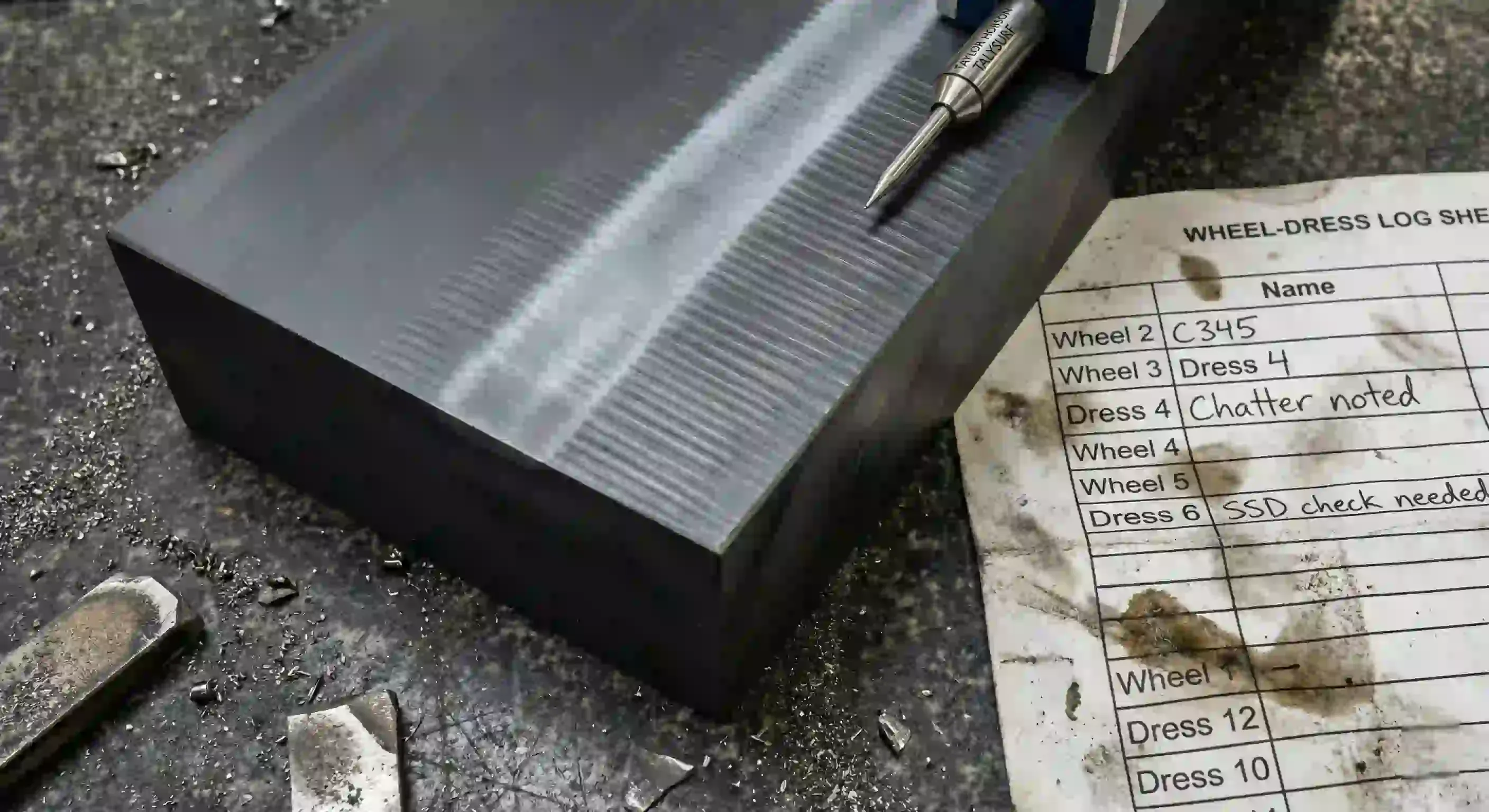
Go/No-Go Summary
Lower-risk for review: accessible faces, controlled radii, finished datums, localized precision, and measurable acceptance.
Needs focused review: micro-holes, tight bores, thin walls, seal faces, or low Ra requirements with defined route and inspection.
High risk: sharp internal corners, unsupported thin walls, tight tolerance everywhere, uninspectable features, or missing edge criteria.
RFQ Checklist
Send material grade, blank or sourcing requirement, CAD, drawing revision, functional surfaces, datums, edge condition, surface finish, critical tolerances, quantity, target lead time, and inspection expectations.
Related Guides
- Use the ceramic CNC machining design rules for the expanded design-rule guide covering fired machining, diamond grinding, datums, and RFQ review.
- Use the ceramic material selection guide when the grade is not fixed before DFM review.
- Use the ceramic tolerance capability map when a feature needs tight flatness, position, bore quality, or GD&T evidence.
- Use the custom ceramic CNC machining RFQ checklist to prepare a complete drawing package for review.
- Design rules
- DFM
- Micro holes
- Thin walls
- Edge quality